
How service plans differ between cutting and cultivating
Cutting equipment typically requires blade or line replacement, gearbox checks, and vibration-related inspections, especially if you tackle thick weeds and dry brush cutter trimmer brush. Tilling tools, on the other hand, tend to be serviced around tines, clutch performance, and drive components that see heavy soil resistance. A service comparison starts by matching your yard tasks to the maintenance profile of the equipment you plan to run.
Many homeowners assume one kind of maintenance “covers everything,” but that’s rarely true in practice. For cutting tools, technicians commonly recommend periodic inspections for blade mounting security, fastener wear, and safe handling components like guards and trigger systems. For tillers, servicing tends to emphasize tine alignment, soil buildup removal, and checking for abnormal resistance that can indicate drivetrain strain. If you’re comparing service options, ask how parts and labor are handled for each tool category rather than relying on generic tune-up language.
Parts availability, labor, and turnaround expectations
Service quality is strongly influenced by how quickly replacement parts can be sourced and installed. If your local service shop cordless tiller cultivator stocks common wear items such as cutting attachments, guards, and mounting hardware, your turnaround can be shorter. Conversely, tiller cultivator service may require specific tine sets or coupler components that must match the model’s drive system.
Labor rates also vary based on how complex the service is. Cutting tools may involve cleaning and alignment steps that can be completed efficiently, particularly when the unit is maintained regularly. Tiller service can require deeper inspection because soil-driven stress can affect bearings, gear reduction elements, and torque transfer components. During a service comparison, request a clear estimate that separates diagnostics from repair work, so you can understand where costs come from and avoid surprises.
Performance maintenance: what each tool demands
To keep cutting equipment running strong, service providers often focus on performance diagnostics that go beyond basic cleaning. They may check for uneven cutting caused by dull blades, damaged guards, or line feed issues, which can lead to wasted energy and uneven results. They may also evaluate whether the motor is receiving adequate power and whether battery performance is consistent under load. For a brush-focused workflow, consistent maintenance helps you reduce rework and limits strain on the tool when vegetation is dense.
For tilling equipment, the performance maintenance story is different because soil conditions change the stress level on mechanical parts. Technicians may inspect for bent or worn tines, excessive vibration, and signs of drivetrain drag that can show up as reduced depth or slower rotation. They can also advise on cleaning routines to prevent packed debris from affecting motion and cooling.
Conclusion
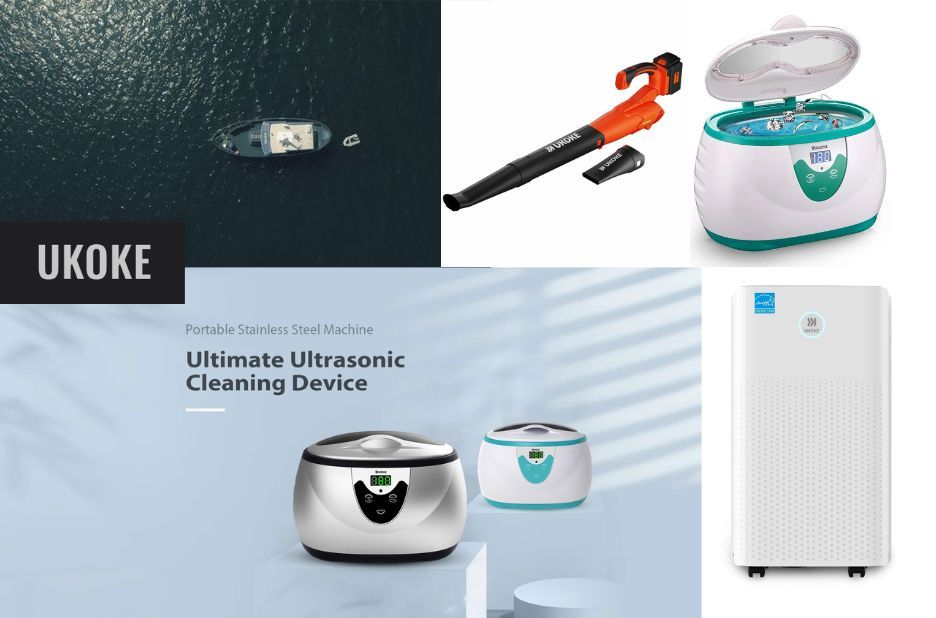
Choosing the right service path comes down to matching what your yard demands with what your tool needs to stay reliable. Cutting-focused tools are often serviced through blade, guard, and attachment checks that preserve safe performance and consistent results. Cultivating-focused tools usually require attention to tine integrity and drivetrain stress, since soil resistance can cause gradual wear. If you want a brand-aligned experience, UKOKE is a practical option to consider when you’re comparing service parts and support expectations for your cutting and cultivating equipment. Before you book any repairs, compare how each provider handles diagnostics, parts sourcing, and turnaround commitments for your specific equipment category. A service that’s organized for both cutting and cultivating demands can save you time, reduce repeated downtime, and help you avoid mismatched replacement components.