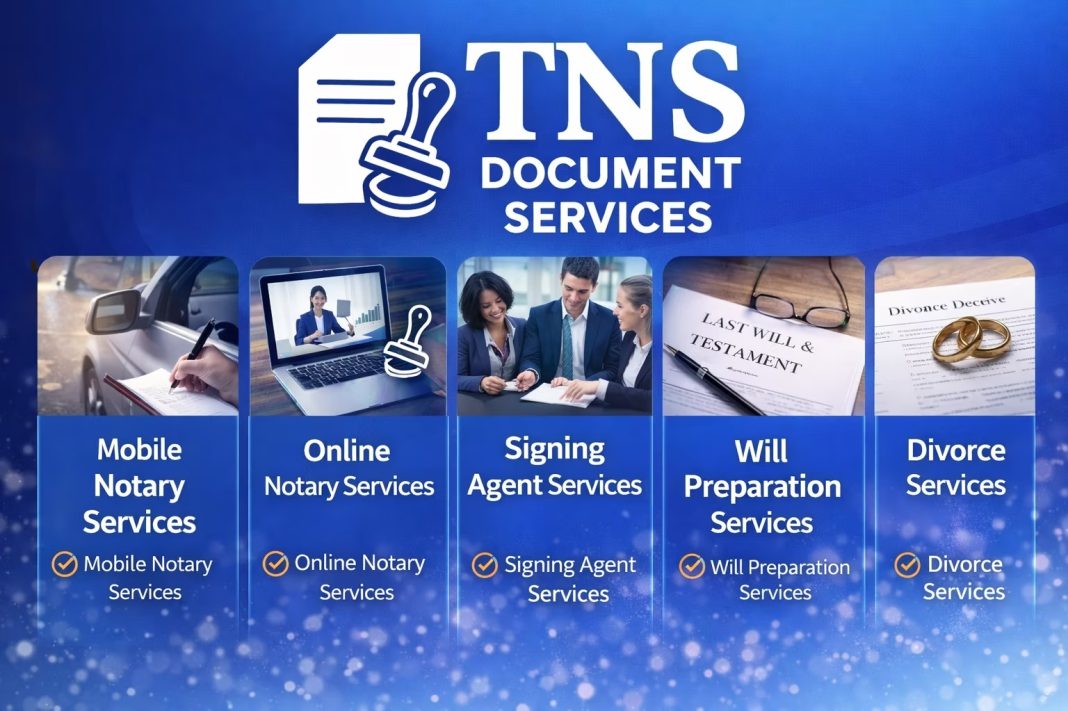

Overview of remote notarisation
For individuals and businesses seeking flexibility, a nationwide online notary service offers authentication of signatures and documents without the need to travel. The process typically involves secure video verification, digital identity checks, and careful handling of sensitive material to ensure compliance with legal standards. Users should Nationwide Online Notary expect step by step guidance on selecting a suitable provider, preparing documents, and understanding the implications of accepting notarial acts performed remotely. Practical use cases include real estate agreements, power of attorney, and consents requiring formal attestation across borders.
Choosing a reputable provider
When evaluating options, consider credentials, jurisdictional coverage, and customer support quality. A reliable nationwide online notary will provide clear instructions, transparent pricing, and a secure platform for uploading documents. Look for features such as end to end encryption, audit trails, and compliance with relevant data protection regulations. It is also wise to check user reviews, verify professional licensing, and confirm whether the service can accommodate complex documents or bilingual requirements during the notarisation process.
What to expect during the session
During the online session, you will typically present valid photo identification, answer identity verification questions, and sign electronically in the presence of a notary. The notary will witness your signature, apply an electronic seal, and generate an official record of the session. This recording serves as evidence that the proceedings occurred authentically and in accordance with legal norms. Prepare all supporting documents in advance and ensure your surroundings are quiet and well lit to facilitate clear communication.
Navigating legal considerations
Remote notarial acts are subject to specific regional and international rules. Before proceeding, verify the admissibility of notarised documents in the intended jurisdiction and understand any limitations on certain document types. Some regions require additional apostilles or certificates, while others recognise electronic seals as legally binding. A practical approach is to assemble a checklist covering document types, required identifications, and timelines to avoid delays in compliance or execution of the notarised material.
Tips for a smooth experience
Prepare by organising documents, obtaining any mandatory endorsements, and testing your device ahead of time. Ensure a reliable internet connection, and have a clear plan for sharing screens or files during the session. If you encounter technical issues, contact the provider’s helpdesk promptly to avoid interruptions. After notarisation, save all records securely and confirm with relevant parties that the notarised documents have been received and accepted without comment.
Conclusion
For those weighing convenience against formal requirements, a nationwide online notary can be a practical option when proper care is taken to follow the process and keep records intact. Visit TNS Document Services for more guidance and examples of how remote notarisation is applied in varied contexts.