
Intro to metal working essentials
When approaching a project that involves custom metal fabrication, the first step is defining the functional requirements, load considerations, and environmental exposure. A clear brief helps determine what fabrication methods will yield the best balance of strength, aesthetics, and longevity. Early dialogue with fabricators about tolerances, custom metal fabrication finish options, and maintenance expectations saves time and reduces costly rework later in the process. This section focuses on translating ideas into buildable plans that respect both budget and schedule while keeping safety and quality at the forefront.
Choosing materials and finishes
Material selection is a cornerstone of successful custom metal fabrication. Options range from general structural steels to high strength alloys, each with unique properties and processing needs. For exterior structures, finishes that resist corrosion and wear extend service life. Understanding corten weathering steel mechanical properties, thermal behaviour, and compatibility with connections is essential to ensure that joints remain accessible and stable over decades of use. A thoughtful choice of finish also impacts maintenance cycles and visual character.
Understanding cor ten weathering steel advantages
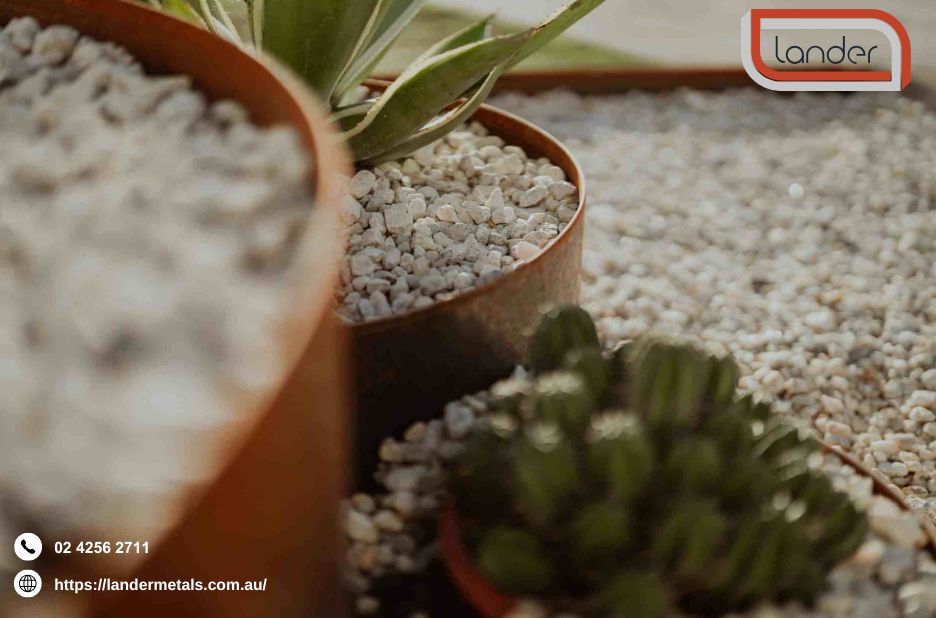
Surface treatment and weathering performance can dramatically affect long term cost and appearance. The corten weathering steel option is celebrated for forming a protective patina that reduces the need for frequent painting on suitable projects. Careful design of drainage, drainage and ventilation details is important to preserve the integrity of the exposed metal. Clients often appreciate the rustic, industrial look that develops as patination progresses, while still enjoying durable performance in appropriate climates.
Fabrication, assembly and quality checks
During fabrication, precision cutting, welding, and forming steps are paired with rigorous inspection to verify fit, alignment, and strength. Techniques such as jig-based assembly, nondestructive testing, and corrosion assessment are employed to confirm that all components meet project specifications. Documented quality checks help track material provenance, coating schedules if applicable, and trim allowances for easier field adjustments before installation.
Practical maintenance and lifecycle planning
Long term success hinges on sensible maintenance planning, including regular inspections, topical coatings where required, and proactive replacements for wear components. The initial design should accommodate ease of access for service tasks, with clear labeling on assemblies and readily detachable connections. Planning for future modifications or extensions can reduce total lifecycle costs by preserving compatibility with existing systems and reducing downtime during upgrades.
Conclusion
For businesses exploring options in custom metal fabrication, a pragmatic approach blends function with durability and aesthetics. When considering finishes and environmental exposure, it helps to consult with specialists who can tailor decisions to the specific site conditions and budget. Visit Lander Metals Pty Ltd for more practical insights and reliable guidance on projects of this kind.