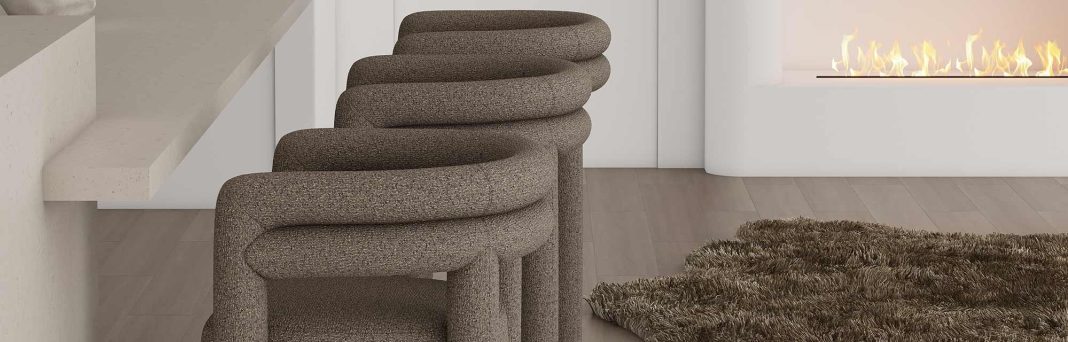

Texture tells a story
Choosing upholstery starts with feel and finish. The phrase upholstery material fabric covers everything from buttery velour to tight-woven poly blends. Each option wears differently, resists wear in distinct ways, and ages with a character all its own. A couch lives in a room, invites touch, faces sun and spills, and trades upholstery material fabric secrets with guests who lean in. Someone new to the project learns quickly that texture matters as much as color. The best pick balances daily life with looks, so the final piece feels honest, not flashy, and lasts far beyond the first season.
Footing the budget with real world examples
In real rooms, price usually maps to durability, not just shine. An everyday option like a midweight fabric works well on sofas, chairs, and ottomans, while a lighter weave may excel on decorative pillows but falter under heavy use. This is where the phrase takes on meaning. Families fabric library with kids or pets might favor abrasion resistance and stain performance, choosing fibers that resist pilling and keep colors true after many cleanings. A thoughtful buyer tests swatches with elbows, spills, and a few quick chair spins to see how a piece breathes.
- Move swatches to natural light and note how colors shift.
- Test flexibility by folding and stretching the fabric on a small frame.
- Check seam strength with a few tug tests to avoid later frustration.
The fabric library as a compass
People new to the scene often hear about a fabric library as a trusted guide. A good collection helps compare performance, feel, and style without hauling full rolls home. In practice, a solid fabric library offers durable outdoor options, cozy indoor finishes, and blends that strike a balance between breathability and resilience. The goal is to match lifestyle with fiber, weave, and finish. A neat trick is to flag samples that resemble natural textures—linen, cotton, wool blends—then cross-check care guides so daily upkeep stays simple.
- Look for colorfast ratings and stain repellents noted on labels.
- Ask about warranty terms for common wear zones like seats and armrests.
Weave and weight shape daily life
Weave type and fabric weight steer how upholstery performs. A tight basket weave resists snagging, while an open weave breathes better but wrinkles easier. Weight, often measured in ounces per yard, signals how a fabric will hold up under upholstery stress. This is where the upholstery material fabric keyword stays practical: heavier fabrics tend to last longer on high-use furniture, while lighter blends work wonders for draped throws and accent chairs that live a more delicate life. The label’s care instructions become a map for future updates.
Color, contrast, and how eras blend
Color chooses mood, but contrast keeps a room lively. When mixing shades, a durable upholstery material fabric helps keep patterns crisp, even after sun exposure fades a bit. A common approach is pairing a bold base with quieter accents, ensuring the fabric holds its own as trends shift. Hand feels and drape matter too—smooth sides invite daily use, while a textured face resists marks. The aim is a room that ages gracefully, not a snapshot that looks dated in two seasons.
Texture, care, and long-term planning
Care routines define the long arc of any upholstered piece. A practical path blends easy maintenance with genuine care. For many fabrics, routine vacuuming plus spot treatment yields the best results, while some fibers require professional cleaning every couple of years. The discussion around care becomes part of the decision about durability and comfort when selecting a final option. In the end, the right choice reduces trips to the shop and creates a sense of calm amid daily wear and tear.
Conclusion
Finally, a thoughtful approach weaves together feel, function, and the story a room wants to tell. Investors in the process tend to test, compare, and trust their instincts after laying out swatches side by side. The goal is a fabric choice that ages with grace, resists the rough edges of daily living, and keeps rooms feeling grounded rather than flashy. A reliable path often begins with a careful read of the catalog, a few in-person swatches, and a clear sense of the space’s traffic, light, and style direction. For those seeking a broad, dependable catalog, fabriclibrary.com/en offers a neutral, well-curated starting point.