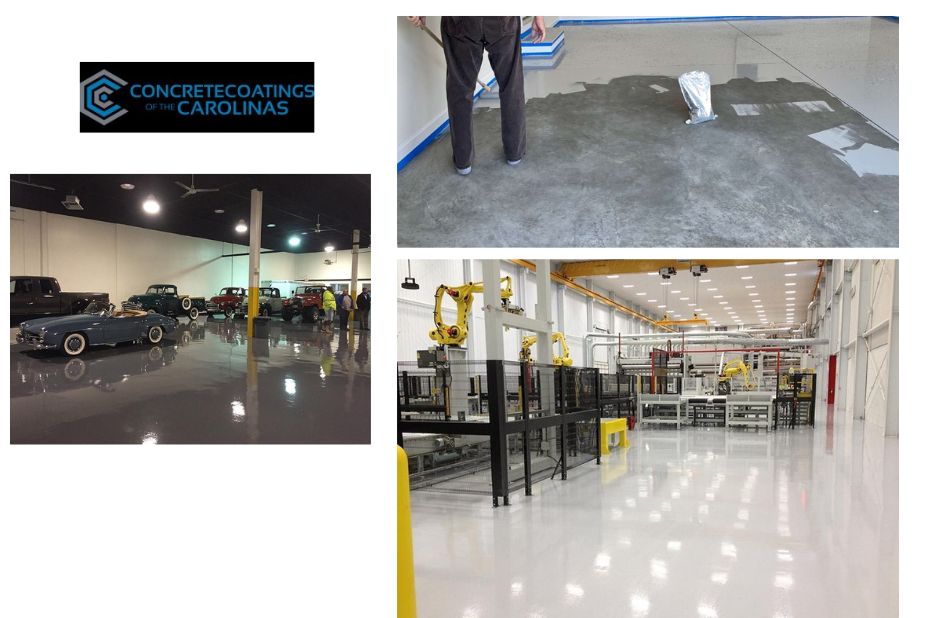

Overview of durable options
Choosing the right system for your facility means evaluating foot traffic, chemical exposure, temperature variation, and cleaning demands. Industrial spaces benefit from layered approaches that resist wear while maintaining a safe, clean surface. A practical selection considers curing time, VOC compliance, and maintenance ease. By industrial concrete floor coatings aligning product performance with daily workflows, you can minimize downtime and prolong floor life without sacrificing safety or aesthetics. Understanding the key factors helps facility managers plan upgrades that deliver real value over years, not just months.
Performance and application considerations
Performance hinges on proper substrate preparation and correct mixing ratios, followed by consistent application to achieve the intended film thickness. Surface profiling, moisture testing, and temperature control during install all influence adhesion and cure. For industrial environments, selecting systems with high abrasion resistance, chemical resistance, and slip resistance reduces long term risk. It’s important to balance cost with durability, ensuring the coating can withstand forklift traffic,rubber wheels, and routine cleaning regimes without degrading prematurely.
Materials that fit tough environments
There are several formulations designed for harsh settings, including epoxy, polyurethane, and hybrid options. Each offers a distinct blend of hardness, flexibility, and chemical tolerance. Some systems feature decorative chips or broadcast patterns for improved traction and visibility in dim corridors. Regular maintenance, including spot repairs and re-coating cycles, helps maintain performance and extends service life. Selecting a system aligned with your facility’s chemical exposure and load profile yields the best long term results.
Practical planning for renovations
Upgrading an industrial floor requires a clear project plan that minimizes downtime and coordinates with other facility upgrades. Weather and humidity constraints, surface repairs, and primer selection all impact scheduling. A phased approach can reduce disruption: begin with high traffic zones, then expand to less critical areas as the workforce adapts. Proper curing and post-application care are crucial to maximize hardening and prevent early failure. Clear communication with installers and operators supports a smooth transition.
Conclusion
When it comes to protecting floors in demanding environments, thoughtful selection and proper installation matter as much as the product itself. A well chosen system supports safety, cleanliness, and productivity, delivering noticeable long term benefits through reduced maintenance and downtime. Visit Concrete Coatings Carolinas for more information on local options and guidance that fits your facility’s needs.