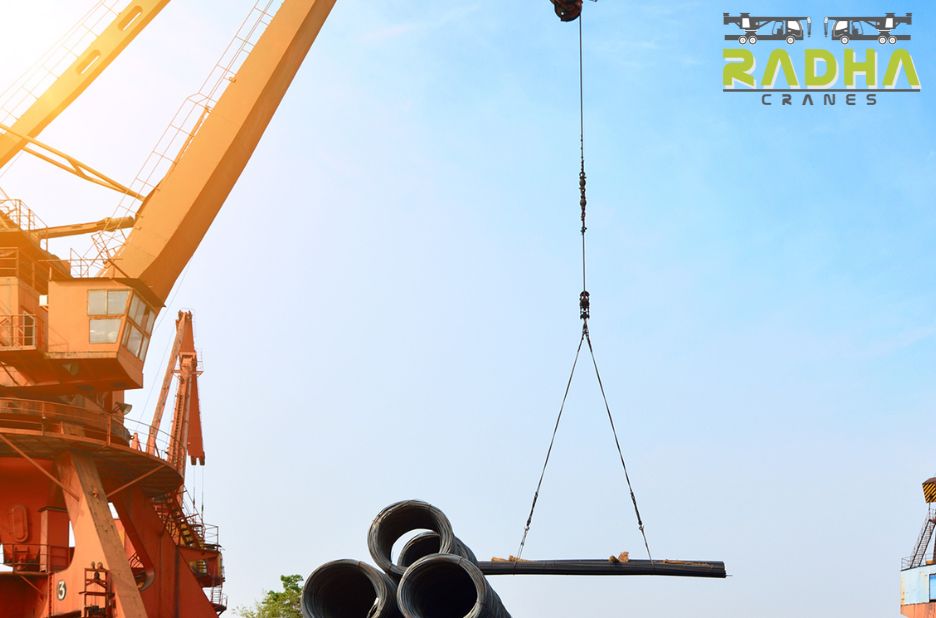

Overview of lifting equipment
For construction sites and industrial installations across Chennai, having reliable lifting equipment is essential. Robust cranes support high-rise development, warehousing, and infrastructure upgrades by enabling safe, precise movements of heavy loads. Operators must assess load capacity, reach, and manoeuvrability to match project requirements. A well-chosen cranes in chennai crane reduces cycle times and minimises risks on site, contributing to overall productivity. Maintenance schedules, compliance with local regulations, and operator training are key elements that protect workers and ensure steady progress on ambitious builds in the region.
Choosing the right machinery for site needs
Selecting the appropriate crane involves understanding load specifications, ground conditions, and travel distances. Larger projects may require mobile cranes for flexible deployment, while tower cranes maximise height in confined urban spaces. Site teams should map out load paths, pinning down critical crane rental services in chennai moments where reach and lateral movement matter. Budgeting for fuel, maintenance, and potential overtime helps keep projects on track. By aligning equipment capabilities with tasks, managers can prevent delays and improve overall site efficiency.
Operational safety and best practices
Safety remains the top priority when operating any lifting equipment. Regular inspections, clear communication signals, and near-miss reporting foster a proactive safety culture. Operators should complete certified training and adhere to load limits, weather considerations, and safe rigging practices. Ground conditions, cribbing, and stabiliser use all influence stability. A site safety plan that includes contingency measures for high winds or equipment faults protects workers and reduces the likelihood of costly downtime.
Local service options and access in the region
In Chennai, a variety of service providers offer equipment, maintenance, and skilled operators to support construction and industrial projects. Local knowledge of infrastructure constraints, traffic patterns, and regulatory requirements helps teams plan logistics efficiently. When arranging equipment, consider response times, spare parts availability, and the ability to scale operations as projects evolve. A reliable supplier partnership can translate into smoother project delivery and fewer scheduling disruptions.
Practical planning for ongoing projects
Projects progress when crews coordinate lifting schedules with site activities, inventory arrivals, and crane mobility. Detailed planning should cover rigging plans, anti-collision measures, and maintenance windows that minimise interference with critical tasks. Regular reviews of crane utilisation data can uncover bottlenecks and opportunities for efficiency gains. By forecasting demand and reserving appropriate equipment in advance, teams ensure steady progress toward milestones while maintaining safety standards.
Conclusion
Ongoing projects benefit from clear planning, dependable equipment, and skilled operators. For additional resources and tools, visit RADHA CRANES for more information and insights on equipment availability and support in the region.